In My Goalie Mom Era: A Designer's Review
As someone who spends more time staring at stitch maps than actual hockey games, I approach new design assets with a healthy dose of skepticism. The market is flooded with trendy phrases, but few translate well from a screen to a finished product. When I first loaded the In My Goalie Mom Era file into my digitizing software, I wasn't just looking for a cute saying; I was looking for structural integrity. This isn't just a graphic; it's a potential revenue stream for Etsy sellers and craft business owners if handled correctly. Here is my honest assessment of how this design performs in the real world of machine embroidery design and custom apparel.
First Impressions and Visual Personality
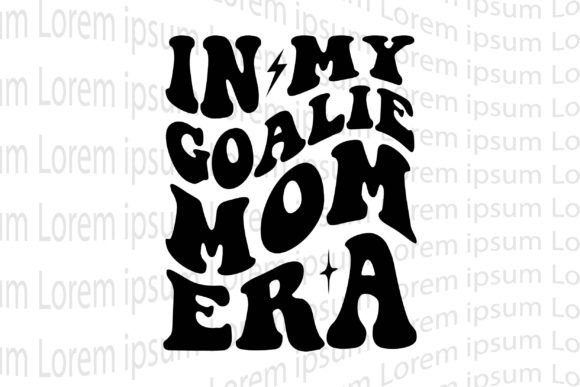
The immediate vibe of In My Goalie Mom Era is playful yet bold. It captures that specific niche of sports parenthood without feeling overly cluttered. From a layout perspective, the typography appears balanced, suggesting a mix of script and sans-serif fonts that usually play well together. For a handmade product, visual clarity is king. If the letters are too close together, they will fill in during stitching. If they are too far apart, the design loses its cohesion. My initial scan suggests this design has enough breathing room to maintain legibility, which is crucial when scaling it down for smaller items like baby onesies or up for large tote bag design applications.
The theme taps into a very specific emotional connection for hockey families. It's not just about the sport; it's about the identity of the parent supporting from the sidelines. This makes it an excellent candidate for personalized gift markets, particularly around tournament seasons or holidays. However, as a designer, I look beyond the sentiment. I look at the lines. Are there sharp corners that might cause thread breaks? Is the flow natural? This design feels organic, likely requiring a combination of satin stitch for the text and perhaps a fill stitch for any accompanying graphical elements like masks or pucks, if included in the specific variation you download.
Real-World Application Scenarios
Let's talk about where this actually shines. I recently simulated a project for a local boutique needing custom apparel for a travel team's parent group. In My Goalie Mom Era would be perfect here. Imagine it stitched onto the left chest of a navy blue quarter-zip sweatshirt. The contrast of bright thread against dark fabric creates a high-end look that justifies a higher price point. It transforms a basic garment into a piece of team merchandise.
Beyond apparel, consider the embroidered patch market. Patches are huge right now for small shop products. If you isolate the text and perhaps add a border, this design could become a velcro-backed patch for goalie bags or equipment cases. It also works beautifully on home goods. A kitchen towel or a pillow cover in a mudroom where sports gear is dumped would feature this design prominently. It adds a touch of humor and pride to everyday items. For holiday embroidery projects, pairing this with festive thread colors could create unique gifts for coaches or teammates.
It is important to note the file formats mentioned in the product description: AI, EPS, SVG, and PDF. These are primarily vector graphics formats used for printing, sublimation, or cutting machines, rather than native embroidery file formats like PES or DST. This means if you are an embroiderer, you may need to digitize this yourself or use conversion software, unless you are using it for sublimation on mugs or t-shirts as suggested. If you are digitizing it, you have full control over the stitch density and underlay, which is a massive advantage for quality control.
Technical Considerations and Fabric Choices
Every design has its kryptonite, and understanding where In My Goalie Mom Era might struggle is key to avoiding returns or unhappy customers. If you are working with textured fabrics like thick terry cloth towels or fuzzy fleece hoodies, fine details can get lost. The "era" trend often uses specific font styles that might have thin connectors. On a high-pile fabric, these could sink in and become unreadable. In these cases, I recommend increasing the stitch count slightly or choosing a heavier weight thread to ensure the design sits on top of the fabric texture.
Stretchy fabrics are another area for caution. If you plan to put this on a fitted tee or active wear, the stability of the stitches is paramount. Without the proper stabilizer, the design will pucker, distorting the message. For knits, always use a cut-away stabilizer rather than tear-away to provide long-term support. Also, consider the hoop size. While the design looks compact, ensure your machine's hoop can accommodate the full width without needing to re-hoop, which can lead to alignment issues.
Dark fabrics present a classic challenge. If the design relies on light thread colors, you must ensure your digitizing (or the pre-digitized version if available) includes a robust underlay. This prevents the dark fabric from peeking through the stitches, which ruins the professional look. Conversely, on light fabrics, ensure there are no stray jump stitches that could cast shadows or look like dirt.
Maximizing Value for Craft Entrepreneurs
For the creative entrepreneurs and digital product sellers out there, the versatility of this design is its strongest asset. Because it comes in vector formats like SVG and EPS, it is ready for sublimation on mugs, tumblers, and hard substrates, expanding your product line beyond just textiles. This dual-use capability allows you to offer matching sets—a sublimated mug for coffee and an embroidered hat for the rink.
However, professionalism dictates that you test before you sell. Never run a production batch without sewing a sample on scrap fabric first. Check the thread color contrast; sometimes what looks good on screen clashes in reality. Review the back of the stitching as well; a messy back can indicate tension issues that might affect the durability of the finished product. If you are selling these as printable mockup assets or digital files, ensure your listing clearly states whether the customer is buying the embroidery file or the graphic file to avoid confusion.
Customer trust is built on consistency. If In My Goalie Mom Era becomes a staple in your shop, ensure every item meets the same standard. Whether it's a baby embroidery item for a newborn goalie fan or a heavy-duty apron for a concession stand worker, the quality of the stitch should remain constant. This attention to detail builds brand recognition and encourages repeat buyers.
Final Verdict and Designer Notes
In conclusion, In My Goalie Mom Era is a strong contender for anyone in the Crafts and Graphics space looking to tap into the youth sports market. Its strength lies in its relatability and clean aesthetic. However, success depends entirely on execution.
- Test First: Always stitch out on a similar fabric to your final product to check for puckering or registration issues.
- Check Licensing: Before selling commercial items, confirm the license terms associated with the AI, EPS, SVG, and PDF files to ensure you are compliant for resale.
- Stabilizer Matters: Match your stabilizer to your fabric weight; don't guess.
- Thread Choice: Use high-quality rayon or polyester threads to ensure the colors pop and withstand washing.
- Mockups: Create black and white mockups to verify that the design holds up without relying solely on color contrast.
If you take the time to respect the technical requirements of the design, In My Goalie Mom Era can be a profitable and satisfying addition to your portfolio. It bridges the gap between a fun trend and a functional commercial embroidery asset, provided you treat it with the precision it deserves.